This post may contain affiliate links. Please read my disclosure policy.

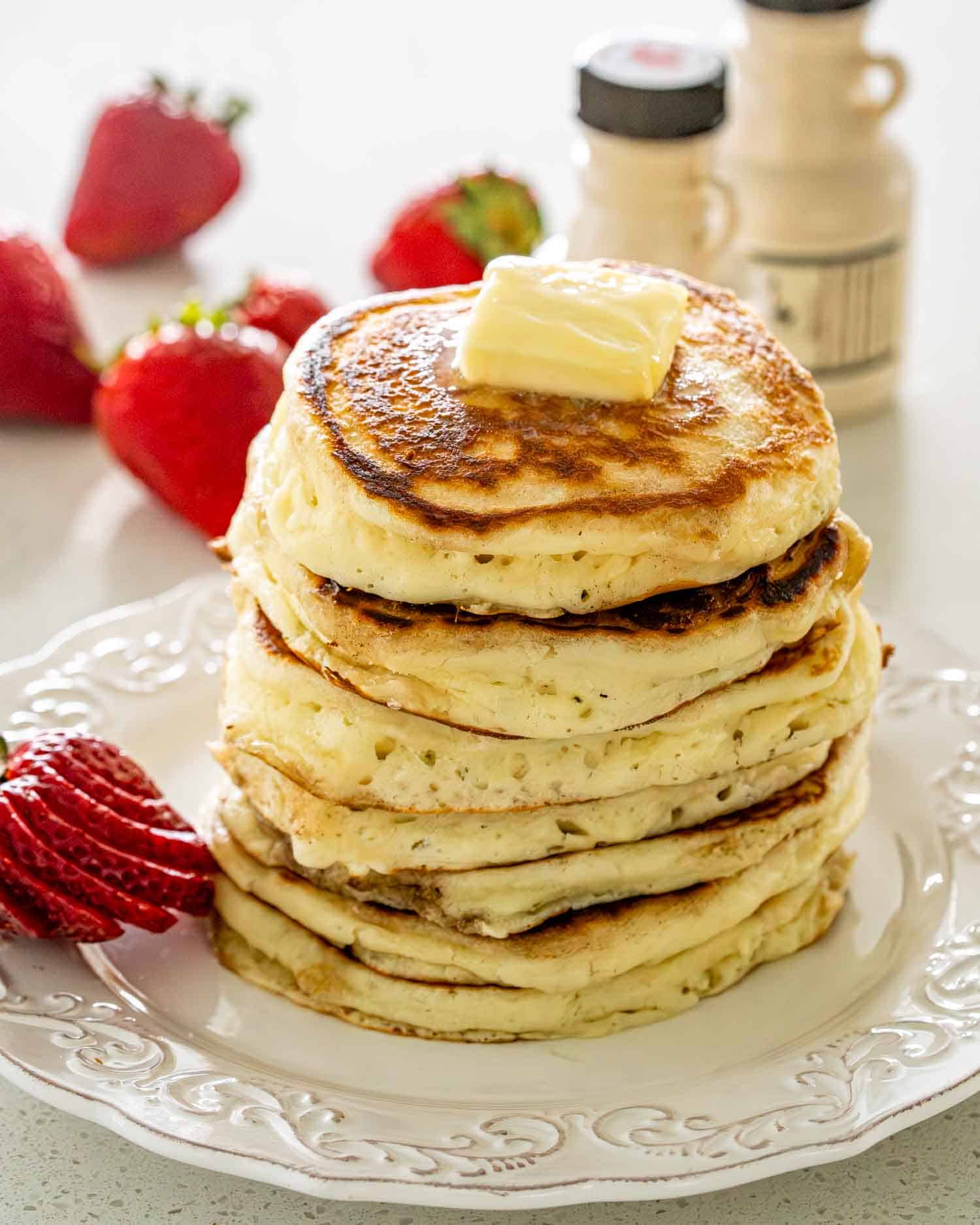
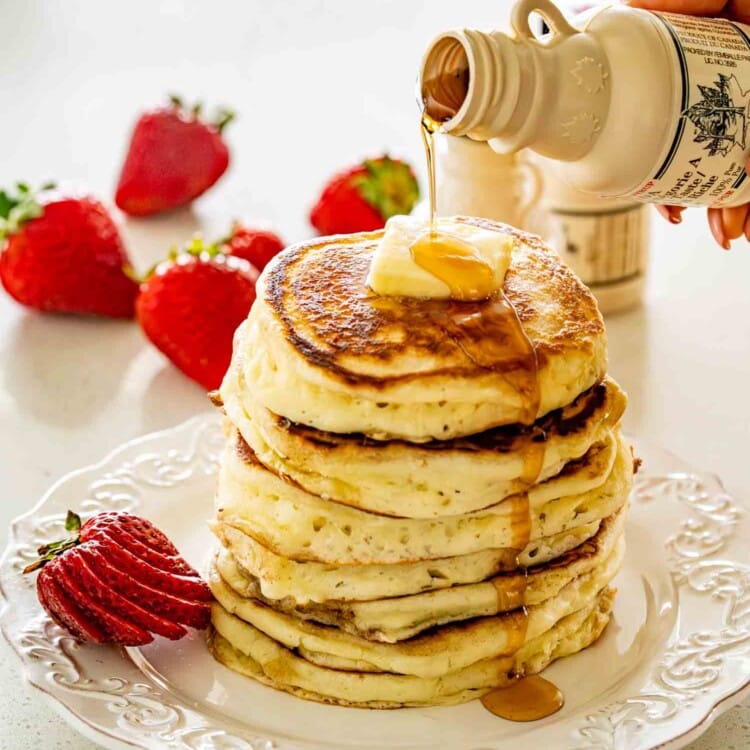
Ten minutes, one bowl, and ingredients you already have. These Classic Pancakes come out light and fluffy every time. No buttermilk, no whipping egg whites, no guesswork.
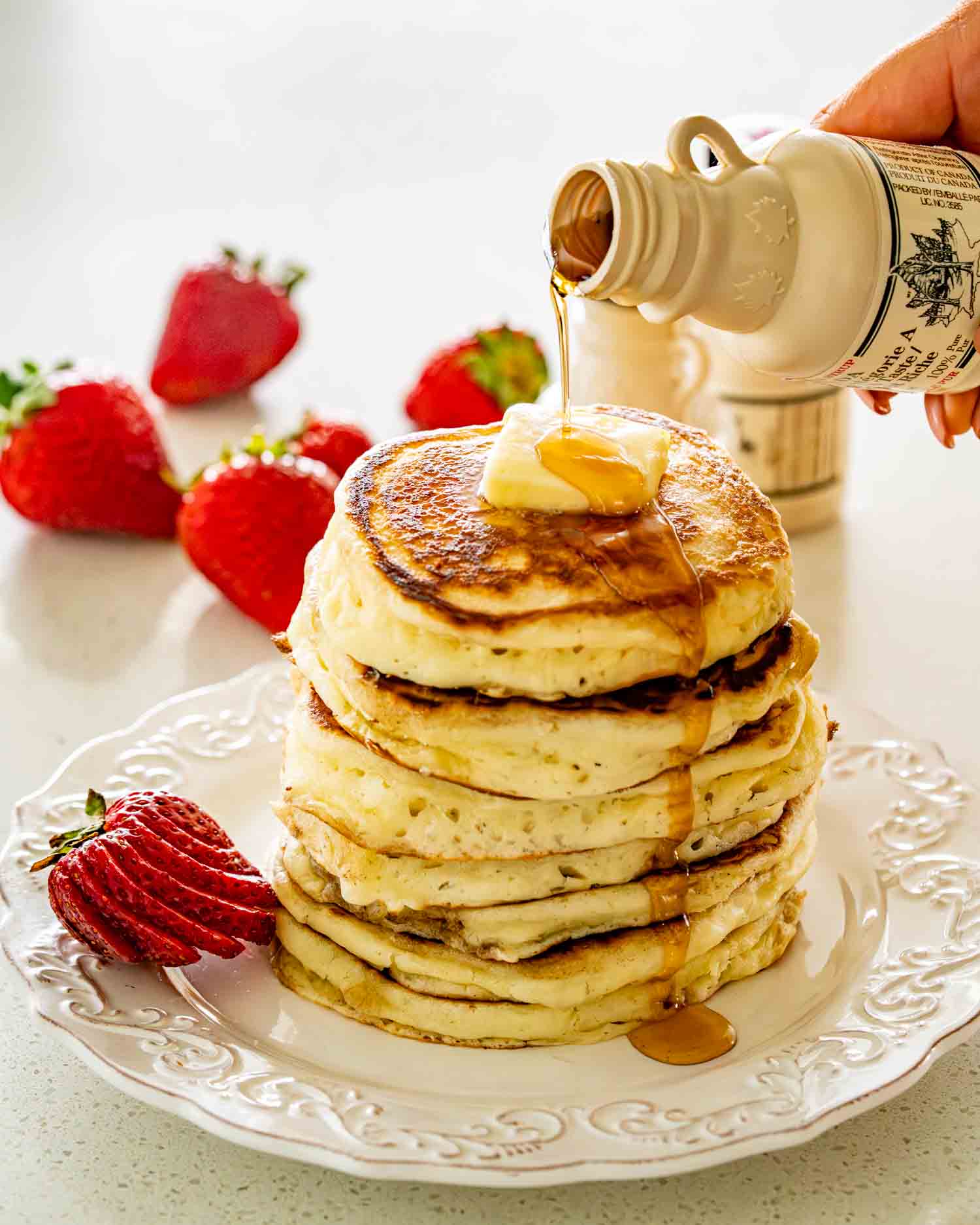

My Foolproof Pancake Recipe
Flat pancakes have one culprit and it is almost always you. Specifically, your mixing arm. Overmix the batter and you activate the gluten, which turns your fluffy breakfast into something closer to a crepe with ambitions. I learned this the hard way after years of wondering why my pancakes looked nothing like the diner ones I grew up eating.
This recipe fixes that. One bowl, 7 ingredients, and a method that has never once let me down in over thirty years of weekend breakfasts. No buttermilk, no separating eggs, no equipment beyond a whisk and a pan.
The batter comes together in about 10 minutes. The secret is knowing when to stop.
Key Ingredients and Tips
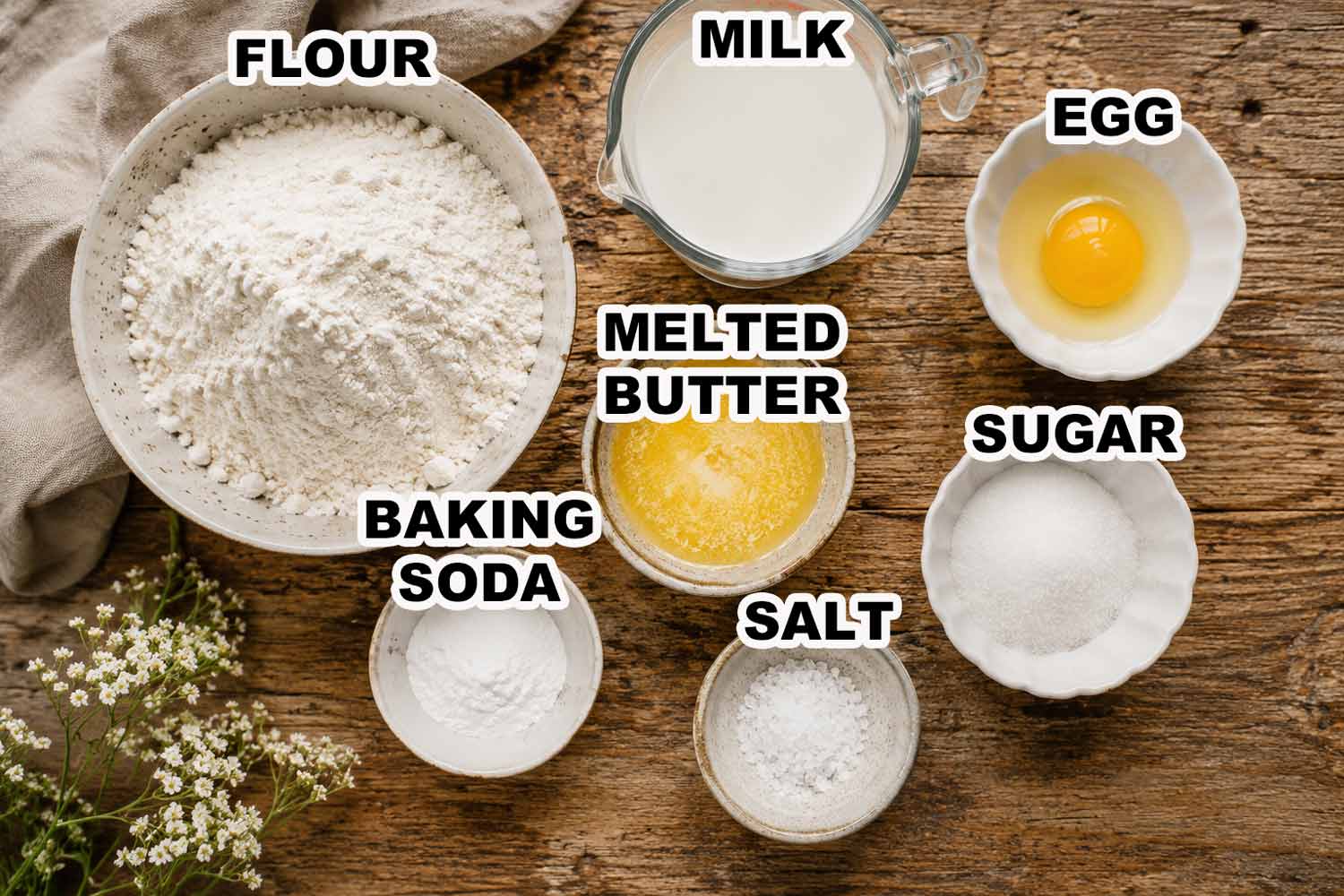
- All purpose flour. The base of the whole operation. Nothing fancy, nothing special. Measure it properly though. Spoon it into your measuring cup and level it off. Pack it in and your pancakes will be dense before they even hit the pan.
- Baking powder. This is what makes them rise. One tablespoon for this recipe, which sounds like a lot until you taste the result. Old baking powder is a silent killer of good pancakes. If yours has been sitting in the back of the cupboard since last year, buy a fresh one. Test it by dropping a teaspoon into hot water. If it does not bubble aggressively, throw it out.
- Salt. A full teaspoon. People always want to reduce it. Do not reduce it. Salt is not just seasoning here, it is the thing that makes every other flavor actually show up.
- Sugar. Just one tablespoon. Enough to help the outside caramelize to that golden color, not enough to make these sweet. These are a vehicle for maple syrup, not a dessert.
- Milk. Whole milk gives you the best result. It adds fat, which adds flavor and helps with that soft, moist crumb. Lower fat milk works in a pinch but whole is worth it.
- Egg. One large egg. It binds everything together and contributes to the structure. Room temperature if you remember to take it out ahead of time. Cold if you forget, which is most mornings.
- Butter. Melted and slightly cooled before it goes in. Hot butter scrambles the egg. Give it two minutes on the counter and you are fine.
Start with a large bowl and combine the flour, baking powder, salt and sugar. Give it a quick whisk to distribute everything evenly. This is your one chance to make sure the baking powder is not sitting in one corner doing nothing.
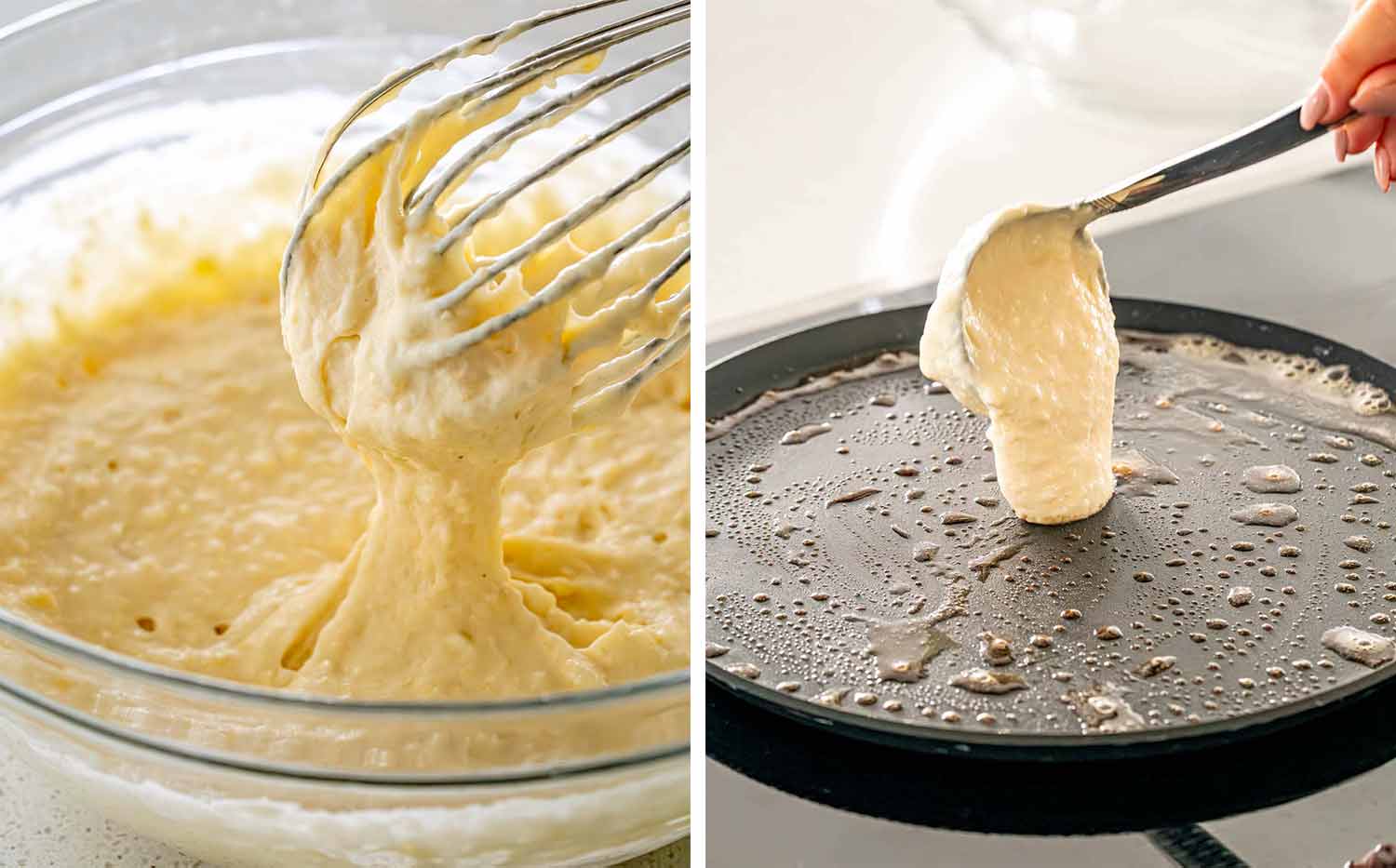
Make a well in the center. Add the milk, egg and melted butter directly into that well. Now whisk. But here is the part most people get wrong. Stop before you think you should. You want a batter that still has small lumps in it. Those lumps are not a problem. They are actually the goal. A perfectly smooth pancake batter is a warning sign.
Let the batter sit for 5 minutes while your pan heats up. This is not optional. Resting lets the flour hydrate fully and gives the baking powder time to start working. Most recipes skip this step. Most recipes produce mediocre pancakes.
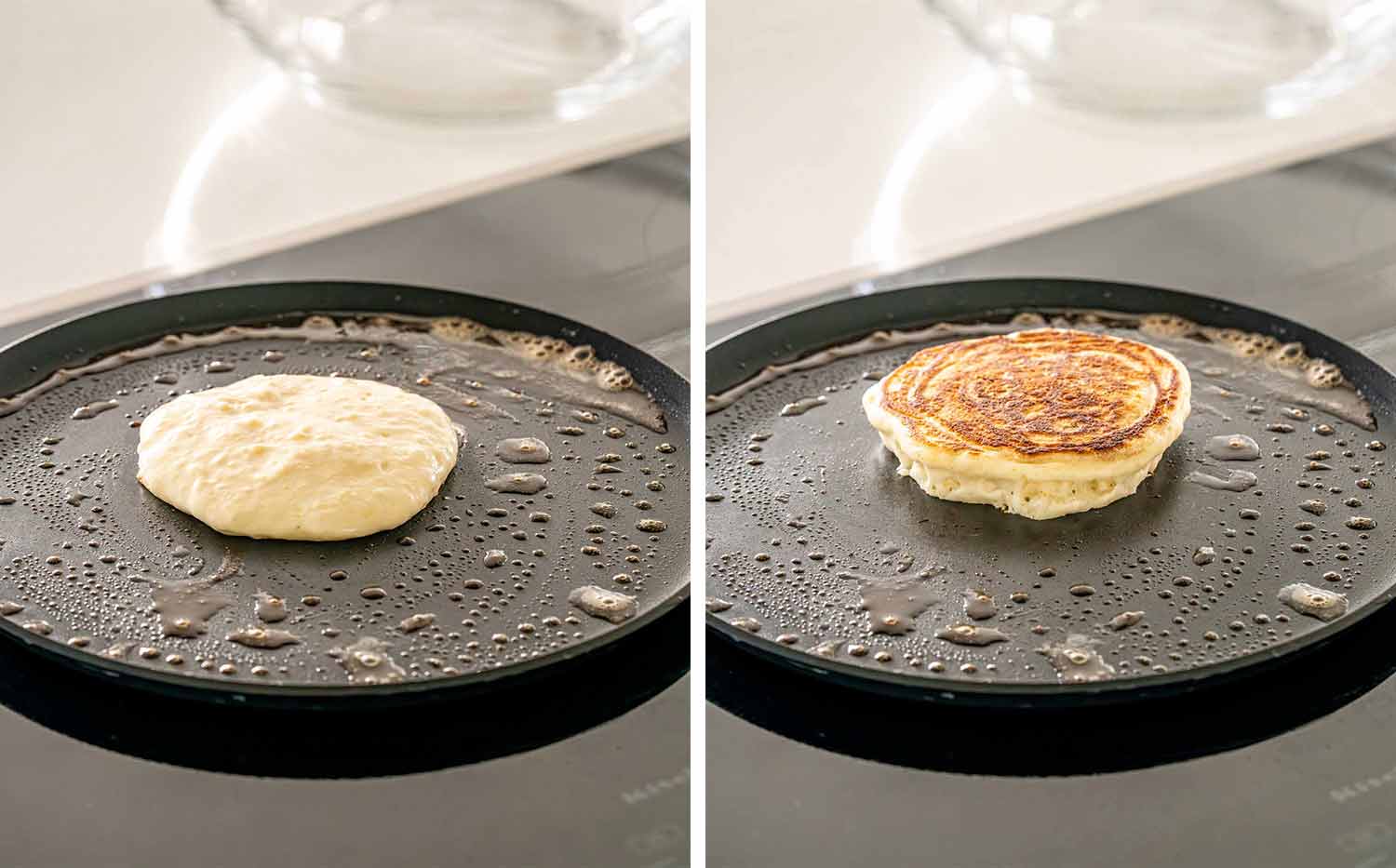
Heat your pan over medium heat. Not high. Pancakes cooked over high heat are golden on the outside and raw in the middle, which is nobody’s idea of a good breakfast. Once the pan is hot, drop the heat to medium low, add about half a teaspoon of butter and let it melt.
Pour roughly a quarter cup of batter per pancake. Spread it slightly if needed but do not fuss with it. Watch the surface. When bubbles start forming and the edges look set, that is your flip signal. Not before. Flip once, cook for another 30 seconds or so, and you are done.
One flip only. Pancakes are not omelets.
Frequently Asked Questions
Why Are My Pancakes Flat?
Nine times out of ten it is the baking powder. Either it is old and has lost its punch, or you did not measure it properly. The tenth time it is overmixing. Go back and read the batter section again.
If your pancakes are spreading too thin, your batter is too loose. This can happen if you packed your flour incorrectly or if your eggs were unusually large. Add a tablespoon of flour, stir gently and try again.
If they are burning on the outside before cooking through, your heat is too high. Turn it down and be patient. Medium low is not a suggestion.
Why Are My Pancakes Gummy Inside?
The pan was not hot enough before you started. A cold pan means the batter sits and spreads before it starts to cook, which results in a dense, gummy center. Preheat properly and this problem disappears.
Why Are My Pancakes Tough?
You overmixed. There is no saving an overmixed batter. Start again and this time stop stirring when you still see lumps.
Variations Worth Trying
Blueberry. Fold in half a cup of fresh or frozen blueberries right before cooking. Frozen work perfectly fine and are usually cheaper. Do not thaw them first or they bleed into the batter and turn everything an alarming shade of purple.
Banana. Mash one ripe banana and add it with the wet ingredients. Reduce the sugar to half a tablespoon since the banana brings its own sweetness. These brown faster than plain pancakes so watch your heat.
Chocolate chip. Scatter a small handful of chocolate chips onto each pancake right after you pour the batter into the pan. Do not mix them into the batter or they sink and burn on the bottom.
Lemon ricotta. Swap a quarter cup of the milk for ricotta and add the zest of one lemon. The texture becomes almost custardy in the best possible way. This is the variation I make when I want to feel like I tried harder than I actually did.
Cinnamon brown sugar. Add half a teaspoon of cinnamon and swap the granulated sugar for brown sugar. Serve with a little whipped butter and you will not miss the maple syrup.
Toppings
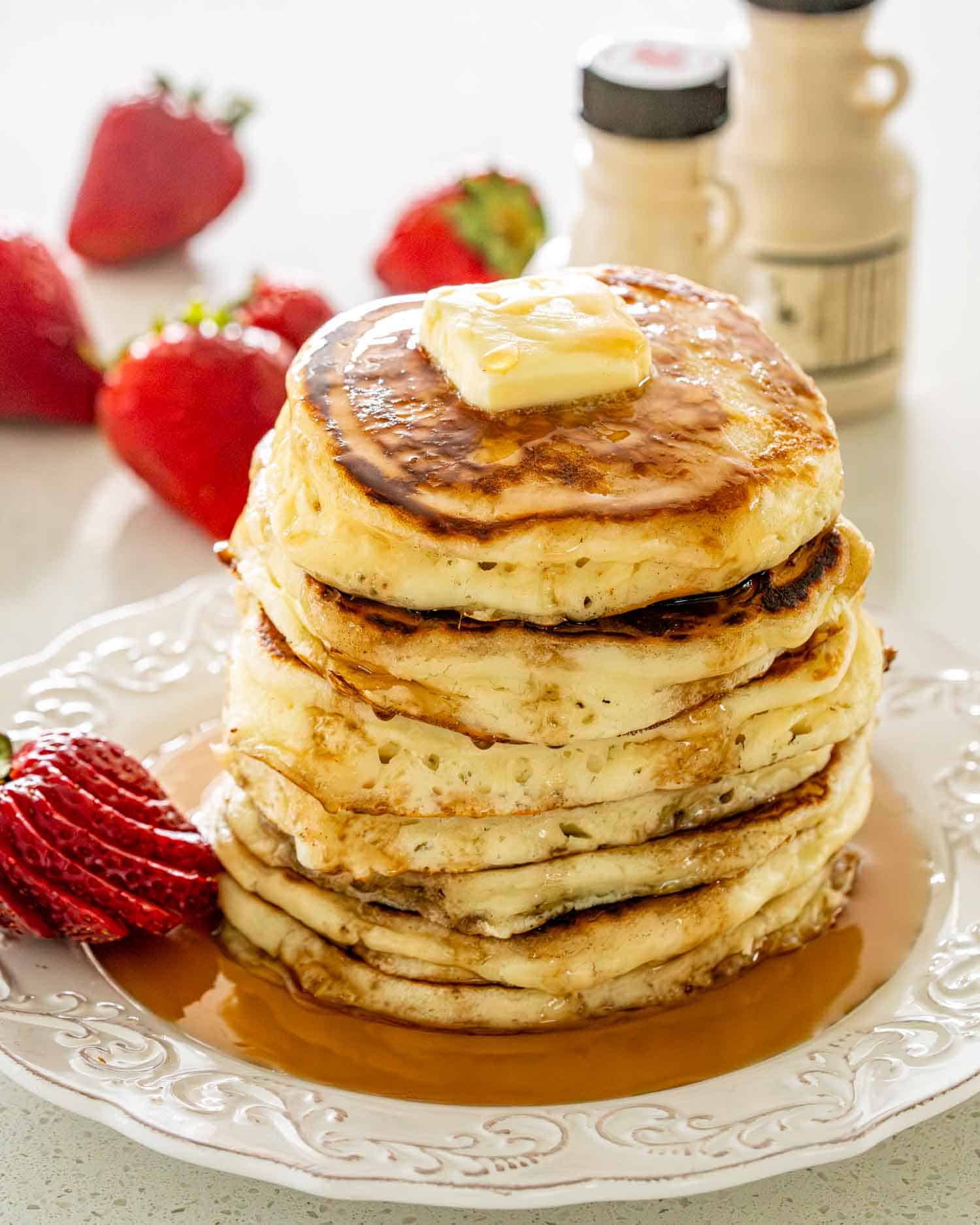
Maple syrup is the obvious answer and it is obvious for good reason. Beyond that, here is what works:
- Fresh strawberries, blueberries or raspberries
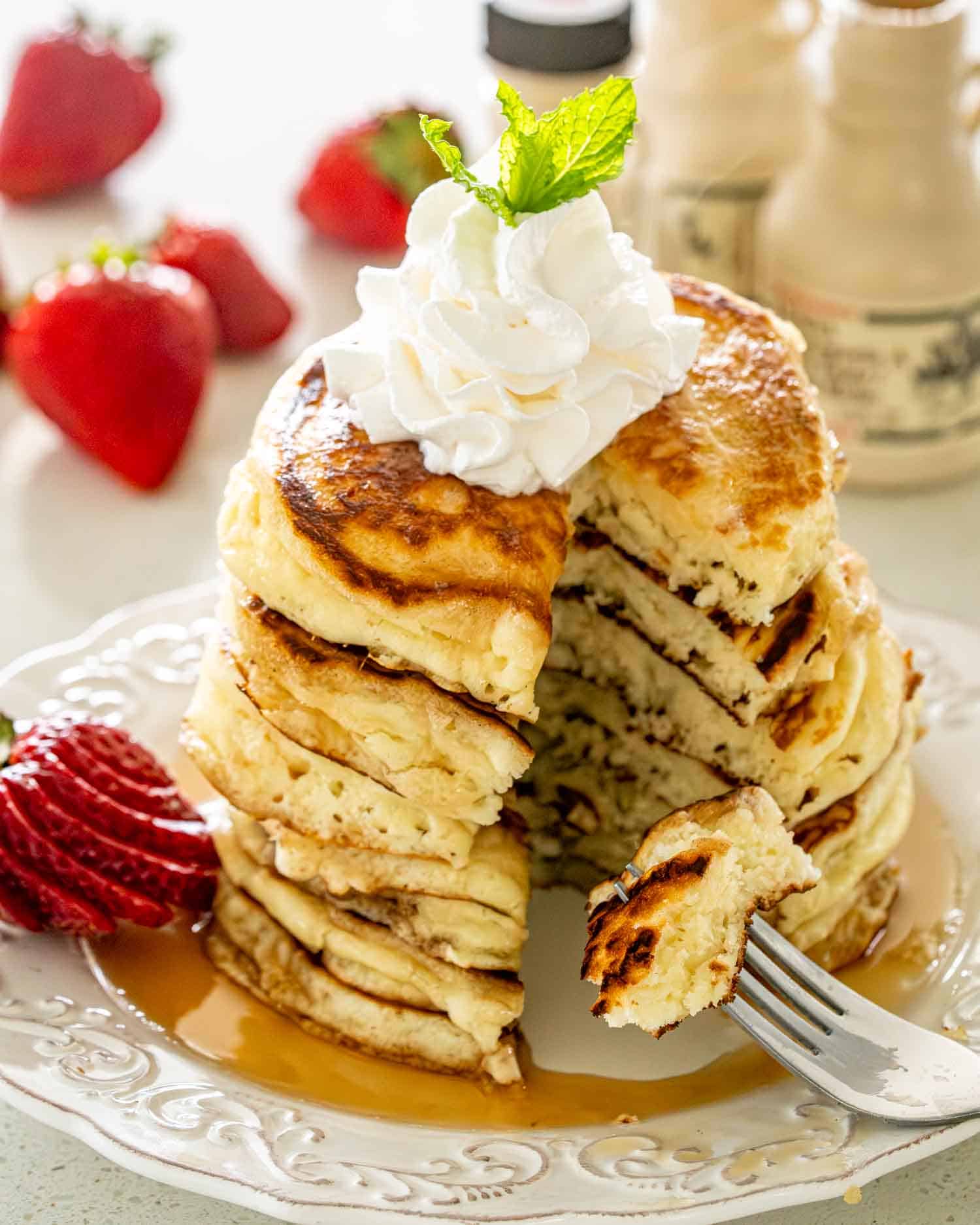
- Whipped cream
- Peanut butter and sliced banana
- Nutella and crushed hazelnuts
- Lemon juice and powdered sugar
- Caramelized bananas with a pinch of cinnamon
- Honey and a little sea salt
- Greek yogurt and fresh fruit for when you want to feel virtuous
The only wrong topping is one you do not enjoy.
Storage & Freezing
Fridge: Leftover pancakes keep in the fridge for up to 3 days. Stack them with a small sheet of parchment or wax paper between each one so they do not stick together. Reheat in a toaster for the best result. The microwave works but makes them slightly soft, which is fine on a Tuesday morning when nobody is watching.
Freezer: To freeze, stack the cooled pancakes with wax paper between each layer, wrap the whole stack tightly in foil and place it in a freezer bag. They keep for up to 2 months. To reheat from frozen, microwave uncovered for about a minute and a half or pop them straight into the toaster on a low setting.
Do not freeze them warm. Condensation turns them soggy and then you have worked hard to make bad pancakes, which is the worst possible outcome.
Make Ahead: The batter keeps well in the fridge for up to 24 hours. Mix it the night before, cover the bowl with plastic wrap and pull it out in the morning. Give it a gentle stir before using. It may have thickened slightly overnight so add a splash of milk if needed and stir just enough to loosen it. Do not go overboard. The same overmixing rules apply at 7am as they do at noon.
Other Delicious Breakfasts To Try
- Apple Pie Baked Oatmeal
- Easy Waffle Recipe
- Chocolate Chip Muffins
- Morning Glory Muffins
- Instant Pot Rice Pudding
Classic Pancakes
Ingredients
- 1½ cups all-purpose flour
- 1 tablespoon baking powder
- 1 teaspoon salt
- 1 tablespoon sugar granulated
- 1¼ cup milk
- 1 large egg
- ¼ cup butter melted (4 tbsp)
Instructions
- In a bowl combine together the flour, baking powder, salt and sugar.
- Make a well in the center and add the milk, egg and melted butter. Whisk until most of the big lumps are gone, but do not over mix. Let the batter sit for 5 minutes while your pan heats up.
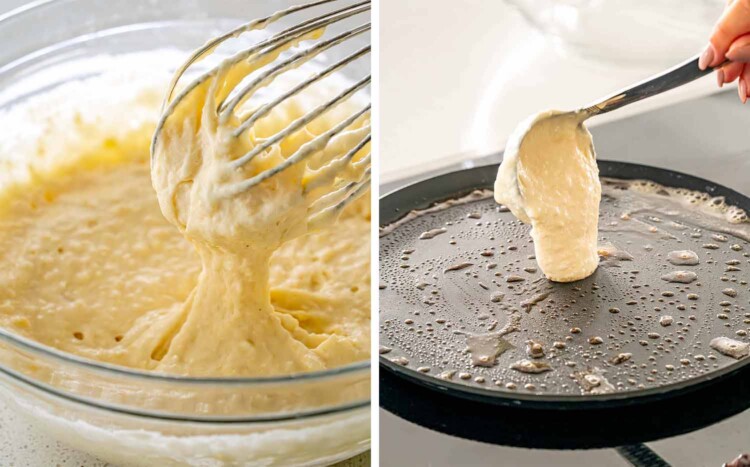
- Heat a non stick skillet over medium heat. Brush with a little bit of butter, about ½ teaspoon, or swirl it around to evenly coat the bottom of the skillet.
- Pour about ¼ cup of batter into the middle of the skillet. Use a ice cream scoop or a smaller ladle. Spread the batter around a bit to make sure it forms a circle. Cook for about 30 seconds or until bubbles start to form, then flip and cook on the other side until golden brown.
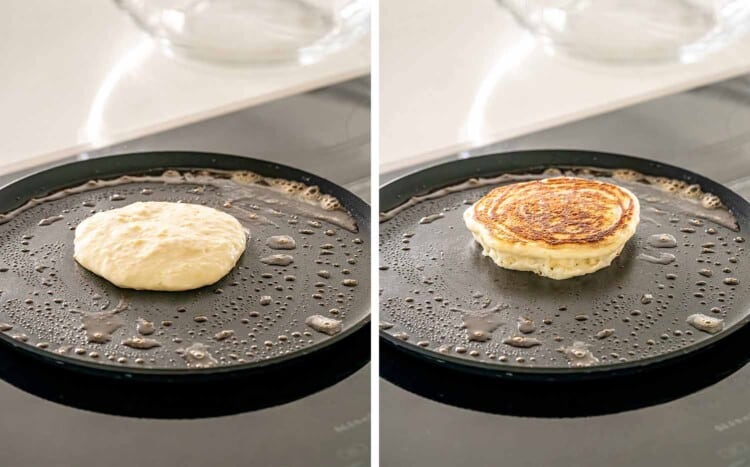
- Transfer to a plate and keep warm while repeating with remaining batter, until done.
Tips & Notes:
- Do not overmix the batter. Small lumps are correct. A smooth batter means tough pancakes and tough pancakes mean a disappointing morning.
- Test your baking powder before you start. Drop a teaspoon into hot water. No bubbles means no lift. Buy a new one.
- Rest the batter for 5 minutes before cooking. This single step makes a noticeable difference in texture and most recipes will not tell you that.
- Keep your heat at medium low. Patience here is the difference between golden and burnt.
- To keep pancakes warm while you cook the rest, place them in a single layer on a baking sheet in a 200 degree oven. They will hold for up to 30 minutes.
- This recipe yields 8 to 12 pancakes depending on size. Nutrition is calculated based on 8 pancakes per batch.
- Leftovers keep in the fridge for 3 days or the freezer for 2 months.